
お茶のこと
01山本山のお茶{Yamamotoyama’s tea}
煎茶が普及して三〇〇年余り山本山は日本全国に広がる茶産地とともに、歩み続けてきました。濃厚な旨みの玉露や、個性豊かな産地別のお茶など、さまざまな煎茶をご用意しています。
For over 300 years since sencha became widespread,
Yamamotoyama has journeyed alongside tea-producing regions throughout Japan.
We offer a variety of sencha teas,
including richly flavorful gyokuro and distinctive regional teas.
- 玉露
- カテキン類が比較的少ないため、苦みや渋みは少なく、濃厚な旨みを楽しむことができます。煎茶よりも葉の厚みが厚く、旨みと甘みが強く、まろやかでとろりとした風味が特徴。
- Gyokuro
- Gyokuro has thicker leaves than those of sencha and stronger umami and sweetness, and is characterized by a mellow, velvety flavor. Containing relatively few catechins, it has less bitterness and astringency, allowing you to enjoy its rich umami flavor.
- 合組
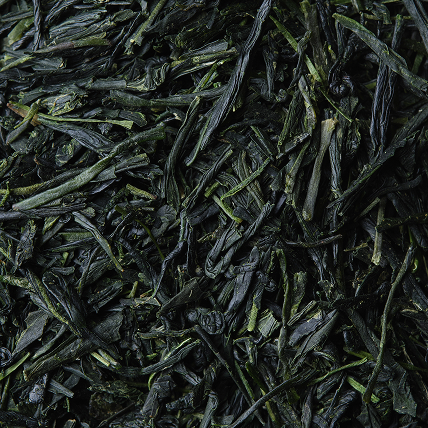
- 産地の異なる茶葉のブレンドを、お茶の世界では「合組(ごうぐみ)」と呼びます。合組によって、天候に左右される旨み・渋み・苦みの均一化を図れます。また、一種類では出せない味、色、香りを生み出すこともでき、合組には茶師たちの長年の経験とこだわりが詰まっています。
- 産地の異なる茶葉のブレンドを、お茶の世界では「合組(ごうぐみ)」と呼びます。合組によって、天候に左右される旨み・渋み・苦みの均一化を図れます。また、一種類では出せない味、色、香りを生み出すこともでき、合組には茶師たちの長年の経験とこだわりが詰まっています。
- Gogumi
- In the world of tea, blending tea leaves from different regions is called “gogumi.” Gogumi allows for the uniformity of umami, astringency, and bitterness, which are otherwise affected by weather conditions. Flavors, colors, and aromas that cannot be produced with a single variety can be obtained, and the gogumi process embodies tea masters’ many years of experience and dedication.
- 煎茶
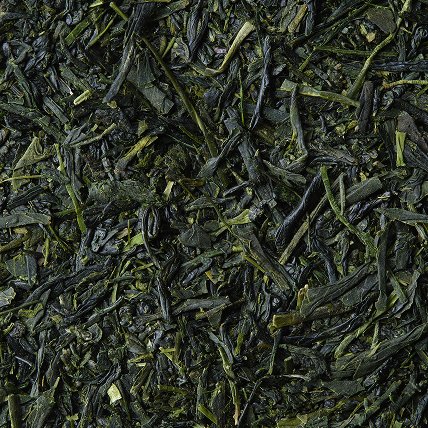
- 日本で生産されている緑茶のうち七割を占めている煎茶。生葉を蒸すことで酵素の働きを止め、揉み、乾燥させ、針状に形を整えるという独特な製法で作られたお茶を指します。旨み、苦み、渋みのバランスが良く、後味がすっきりとしているのが特徴です。特に、春の一番最初に摘み取られた新芽を原料にした煎茶「一番茶」は、アミノ酸を豊富に含み、旨みが強く、上品な味わいを楽しめます。
- 日本で生産されている緑茶のうち七割を占めている煎茶。生葉を蒸すことで酵素の働きを止め、揉み、乾燥させ、針状に形を整えるという独特な製法で作られたお茶を指します。旨み、苦み、渋みのバランスが良く、後味がすっきりとしているのが特徴です。特に、春の一番最初に摘み取られた新芽を原料にした煎茶「一番茶」は、アミノ酸を豊富に含み、旨みが強く、上品な味わいを楽しめます。
- Sencha
- Sencha accounts for 70% of the green tea produced in Japan. It refers to tea made through a unique process: steaming the fresh leaves to halt enzyme activity, rolling them, drying them, and shaping them into needle-like forms.Sencha is characterized by a well-balanced blend of umami, bitterness, and astringency, with a clean, refreshing aftertaste. In particular, sencha made from the first flush of spring buds, known as “ichibancha,” is rich in amino acids, offering a strong umami flavor and an elegant taste.
- 玄米茶
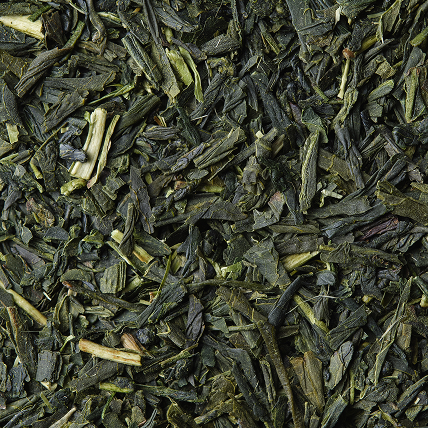
- 緑茶と炒り米をブレンドしたもので、炒り米の香ばしい香り、煎茶の旨みを感じるさっぱりとした味わいが特徴です。香ばしい玄米の香りと、お茶の優しい味わいが絶妙に調和しています。
- Genmaicha
- This blend combines green tea with roasted rice, featuring a refreshing taste that highlights the aromatic fragrance of the roasted rice and the savory umami of the sencha. The rich aroma of brown rice and the gentle flavor of tea blend together perfectly.
- ほうじ茶
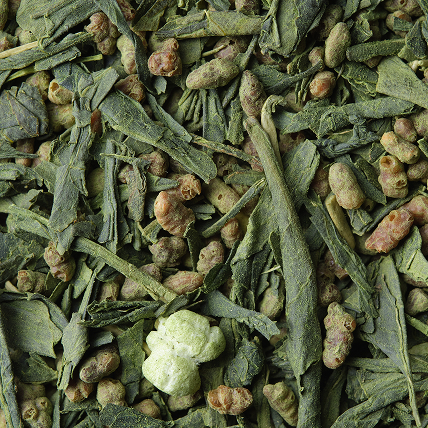
- 澄んだ香ばしい香りとさわやかな味わいが特徴です。煎茶や番茶、茎茶などの茶葉を二〇〇℃前後の高温で五~一〇分ほど加熱して作られます。まろやかでとろりとした風味が特徴。強火できつね色になるまで炒ることで、茶葉は褐色になり、独特の香ばしさが生まれます。江戸時代に京都の茶商が、売れ残った茶葉を焙煎して飲んだことが始まりといわれています。
- 澄んだ香ばしい香りとさわやかな味わいが特徴です。煎茶や番茶、茎茶などの茶葉を二〇〇℃前後の高温で五~一〇分ほど加熱して作られます。まろやかでとろりとした風味が特徴。強火できつね色になるまで炒ることで、茶葉は褐色になり、独特の香ばしさが生まれます。江戸時代に京都の茶商が、売れ残った茶葉を焙煎して飲んだことが始まりといわれています。
- Hojicha
- Hojicha features a clear, fragrant aroma and a refreshing taste. It is produced by heating sencha, bancha, kukicha, and other tea leaves at a high temperature of around 200°C for 5 to 10 minutes. Frying over high heat until golden brown turns the tea leaves brown and creates a distinctive roasted aroma. Hojicha is said to have originated in the Edo period when a Kyoto tea merchant roasted unsold tea leaves and drank the tea.
産地別のお茶{Regional teas}
- 狭山茶(埼玉県)
- 香ばしい香りと深むし製法による濃厚な味わいが特徴です。寒暖差が激しい気候の中で育ち、葉肉が厚く、旨みが凝縮されています。また、狭山茶独自の仕上げ工程である「狭山火入れ」が、深みのある味わいを生み出しています。鎌倉時代から栽培が始まったとされ、宇治茶や伊勢茶と並ぶ日本三大銘茶の一つにも数えられ、「色は静岡、香りは宇治よ、味は狭山でとどめさす」といわれるほど味が評価されています。
- Sayama tea (Saitama Prefecture)
- Sayama tea is characterized by its fragrant aroma and rich flavor achieved through deep steaming. Grown in a climate with extreme temperature fluctuations, its thick leaves are packed with concentrated flavor. Furthermore, the unique finishing process of Sayama tea, known as “Sayama firing,” creates its deep, rich flavor. Its cultivation is said to have begun in the Kamakura period, and it is counted among Japan’s three most famous teas alongside Uji tea and Ise tea. Its flavor is so highly regarded that it is said, “Shizuoka for color, Uji for fragrance, Sayama for taste—that’s the final word.”
- 掛川茶(静岡県)
- 深蒸し製法で仕上げたほのかな渋みとコクのある味わいが特徴です。掛川市は日本一のお茶の生産量を誇る静岡県の南西部に位置し、温暖な気候と適度な雨量がある、良質なお茶の産地。冬は雪がほとんど降らず、春には朝露が多く発生し、絶品の茶葉を育てます。
- Kakegawa tea (Shizuoka Prefecture)
- Kakegawa tea is characterized by a subtle astringency and rich flavor achieved through deep steaming. Kakegawa City is located in southwestern Shizuoka Prefecture, which boasts Japan’s largest tea production volume. It is a region renowned for high-quality tea, blessed with a warm climate and moderate rainfall. Winter brings little snowfall, while spring sees abundant morning dew, nurturing tea leaves of exceptional quality.
- 宇治茶(京都府)
- 深く上品な香り、ほど良い旨みと渋みを感じるバランスの取れた味わいが特徴です。特に、被覆栽培と呼ばれる、茶園を覆って育てる独特の栽培方法によって、独特の風味と香りが生まれます。鎌倉時代に中国から茶種を持ち帰って栽培が始まったとされ、江戸時代には将軍家への献上品として用いられるなど、古くから高い評価を受けてきました。
- Uji tea (Kyoto Prefecture)
- Uji tea is characterized by a deep, refined aroma and a well-balanced flavor profile with just the right amount of umami and astringency. In particular, a unique cultivation method called shade growing, in which tea gardens are grown under cover, produces distinctive flavor and aroma. It is said that tea seeds were brought back from China during the Kamakura period, marking the beginning of cultivation. Since long ago, Uji tea has been highly valued, even being used as a tribute to the shogunate during the Edo period.
- 八女茶(福岡県)
- 色鮮やかな緑色の水色、まろやかな旨みを感じる軽やかな味わいが特徴です。八女地域には、肥沃な土壌と豊富な地下水、最適な雨量と内陸性気候の寒暖差など、上質なお茶を栽培できる条件が揃っています。加えて山間部で発生する霧は、お茶の旨み成分であるテアニンの生成を促進します。
- Yame tea (Fukuoka Prefecture)
- Yame tea is characterized by a vibrant greenish-blue color and a light flavor with a mellow umami taste. The Yame region possesses all the conditions necessary for cultivating high-quality tea: fertile soil, abundant groundwater, optimal rainfall, and the temperature variations characteristic of its inland climate. Furthermore, the fog that forms in mountainous areas promotes the production of theanine, a component responsible for the umami flavor in tea.
- 知覧茶(鹿児島県)
- さわやかな香り、旨みと渋みをバランスよく感じる豊かな味わいが特徴です。南九州で育てられた茶葉に独自の火入れ加工を行っています。蒸し時間を長く取ることで渋みを抑え、栗のようなまろやかな旨みと、ほどよいコクが生まれます。
- Chiran tea (Kagoshima Prefecture)
- Chiran tea is characterized by its refreshing aroma and rich flavor, with a well-balanced blend of umami and astringency. A unique firing process is performed on tea leaves cultivated in southern Kyushu. Extending the steaming time reduces astringency, yielding a mellow, chestnut-like umami flavor and a pleasant richness.
02山本山と玉露{YGyokuro Heritage & Craftsmanship}
- 玉露とは
- お茶の形状も製造工程自体も煎茶と同じですが、大きく異なるのは栽培方法。一番茶の発芽期に茶園全体に覆いをかぶせて、20日間程度日光を遮る「被覆栽培」で育てられます。これにより、茶葉に含まれる旨み成分のアミノ酸「テアニン」が増え、旨みが凝縮されます。玉露特有の「覆い香」という香りも生まれます。
有機質肥料をたっぷり与えるほか、新芽を手摘みするなど手間暇がかかるため、生産量は限られます。主な産地は三重県、京都府の宇治周辺、福岡県の八女周辺で、これらの地域で丁寧に育てられています。全国の年間生産量はわずか500トン程度と少なく、日本の人口1人当たりで割ると、消費量は年間1杯程度という希少なお茶です。
- About Gyokuro
- The shape of the tea and the manufacturing process itself are the same as those of sencha, but what differs greatly is the cultivation method. The tea is cultivated using a shade-grown method in which the entire tea garden is covered during the first flush budding period to block sunlight for approximately 20 days. This increases the amino acid theanine in the tea leaves, which contributes to umami, thereby concentrating the flavor. This gives rise to the “shaded aroma” that is distinct to gyokuro tea.
In addition to requiring generous amounts of organic fertilizer, the process involves labor-intensive steps such as hand-picking new shoots, resulting in limited production volumes. The main production regions are Mie Prefecture, the Uji area of Kyoto Prefecture, and the Yame area of Fukuoka Prefecture. The tea is carefully cultivated in these regions. The annual production nationwide is a mere 500 metric tons, making it a rare tea. Divided by Japan’s population, consumption amounts to about one cup per person per year.
- 山本山六代目が玉露を発明
- 1835年(天保6年)、六代目 山本嘉兵衛が18歳のときのこと。宇治小倉村にある木下吉座衛門の茶製造場を視察し、みずからの手で茶葉をかき混ぜていたところ、茶葉が乾燥するにつれて手に付き、無理に取ると棒状によじれた茶ができあがりました。
このお茶を職人たちと何度も再現して試飲すると、気品ある風味と鮮麗な色沢のある、甘露のような味わいのお茶が生まれました。甘露のごとく玉のような茶葉から「玉露」と命名。江戸に持ち帰って売り出すと、絶賛の声が集まり、江戸名物の一つとなったといわれています。当時、庶民が飲む煎茶と貴族が飲む抹茶は両極端な存在でしたが、その製法を組み合わせた玉露は江戸で広く愛用されました。
- Yamamotoyama’s sixth-generation
proprietor invents gyokuro - In 1835, the sixth-generation Kahei Yamamoto was 18 years old. Kahei Yamamoto inspected Kichizaemon Kinoshita’s tea production facility in Uji Ogura Village. While he was stirring the tea leaves by hand, they adhered to his hands as they dried. When he forcibly removed them, the tea leaves twisted into rod-like shapes.
After repeatedly recreating and tasting this tea with the tea makers, he ultimately produced a tea with an elegant flavor, a brilliant luster, and a taste like sweet nectar. He gave it the name “gyokuro,” meaning “jewel dew,” for its dewy sweet flavor and jewel-like leaves. It is said that when brought back to Edo and put on sale, it garnered rave reviews and became one of Edo’s famous specialties. At the time, the sencha drunk by commoners and the matcha consumed by the nobility were polar opposites, but gyokuro, which combined their production methods, became widely cherished throughout Edo.
- 漱石が描いた玉露
- 明治期の文豪、夏目漱石は「草枕」に玉露についての名文を残しています。「普通の人は茶を飲むものと心得ているが、あれは間違だ。舌頭へぽたりと載せて、清いものが四方へ散れば咽喉へ下るべき液は殆どない。只腹部たる句が食道から胃のなかへ沁み渡るのみである。」漱石は玉露の本質を、「玉の露」の所以である旨味が凝縮された清い滴と、至福とも言える香りにある」と、見事に表現しています。
- The gyokuro depicted by Soseki
- The Meiji-period literary master Soseki Natsume left behind a famous passage about gyokuro in his work Kusamakura. “Most people think tea is something you drink, but that’s wrong. When a drop falls onto the tip of the tongue, the pure substance disperses in all directions, leaving scarcely any liquid to descend into the throat. It’s only that a rich aroma seeps through the esophagus into the stomach.” Soseki masterfully expressed the essence of gyokuro as “a pure drop in which the umami that gives it its name, ‘jewel dew,’ is concentrated, and an aroma that can be called bliss.”
玉露のおいしい淹れ方{How to brew delicious gyokuro tea}
-
一、沸騰させた湯を、お湯冷まし(ない場合は湯呑茶碗)に入れ、約五〇~六〇℃前後まで冷まします。
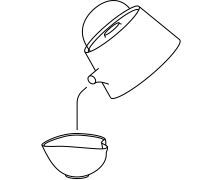
1.Pour boiling water into a cooling bowl (or a teacup if unavailable) and let it cool to approximately 50–60°C.
-
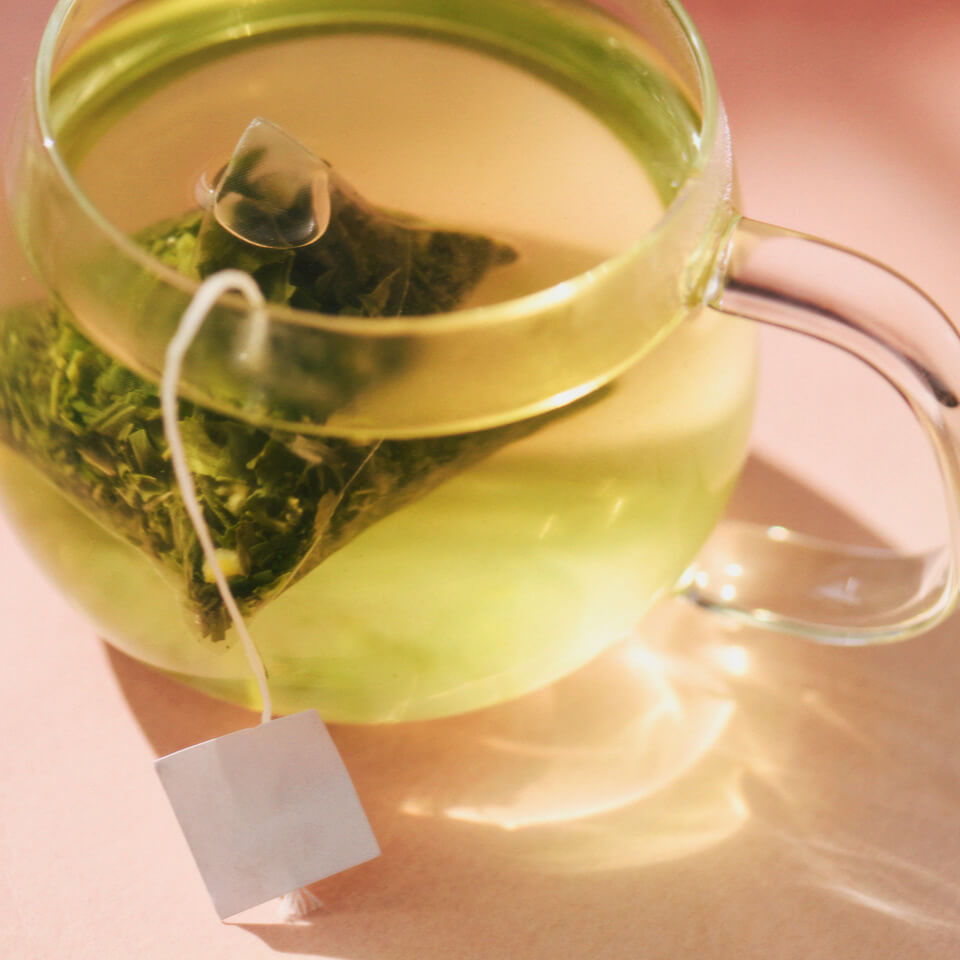
二、3人分で茶葉一〇グラム(大さじ2杯)の茶葉を急須に入れます。
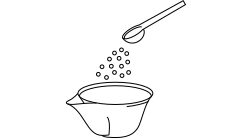
2.Place 10 grams (2 tablespoons) of tea leaves into the teapot for three servings.
-
三、湯冷まししたお湯をゆっくり急須に注ぎます。
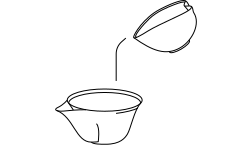
3.Slowly pour the cooled water into the teapot.
-
四、約二~三分後、茶碗に少しずつ注ぎ分け、最もおいしい最後の一滴まで淹れます。
抽出した後の茶葉は柔らかく、ポン酢をかけておひたしのようにして食すこともできます。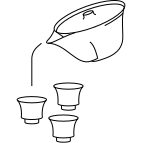
四、約二~三分後、茶碗に少しずつ注ぎ分け、最もおいしい最後の一滴まで淹れます。
抽出した後の茶葉は柔らかく、ポン酢をかけておひたしのようにして食すこともできます。4.After around 2–3 minutes, pour a little at a time into the teacups, brewing it down to the last drop for the best flavor.
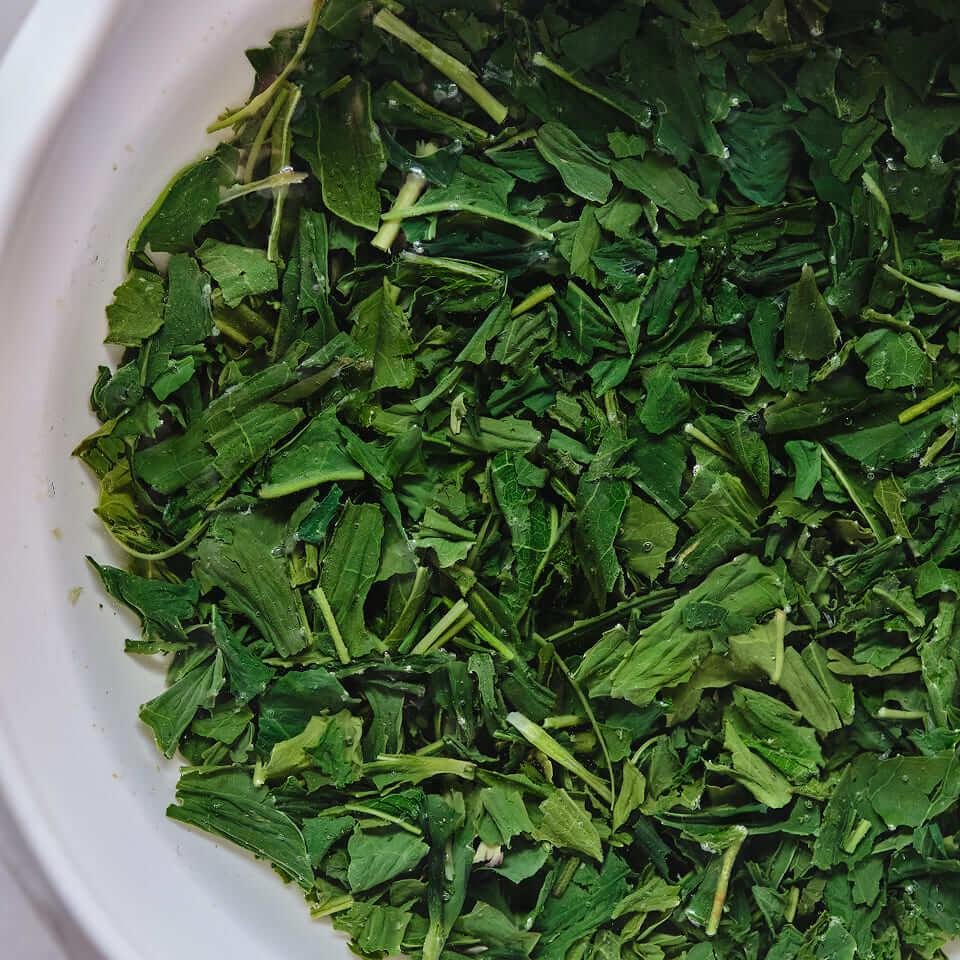
After brewing, the tea leaves are soft and can be enjoyed as a salad by drizzling them with ponzu sauce.
03お茶へのこだわり{Dedication to tea}
茶商として創業した山本山のこだわりは、いつの時代も変わらず、お茶をおいしく味わっていただくことに尽きます。
そのために、おいしさをじっくりと引き出されたお茶だけを選び抜き、味の偏りなく取り揃え、それらの楽しみ方も伝えています。
Founded as a tea merchant, Yamamotoyama’s dedication remains unchanged through the ages: to ensure our tea is enjoyed at its finest.
For this reason, we carefully select only teas whose flavor has been fully drawn out, curate a balanced selection of flavors, and share ways to enjoy them.
お茶の作り方{How tea is made}
-
一、新芽1.New buds
冬の間、根はゆっくり休み、栄養成分を根からどんどん吸い上げ茶葉(新芽)に蓄えます。こうして出てきた新芽は爽やかな香りとみずみずしい旨み成分をたっぷりと含んだ新茶となります。
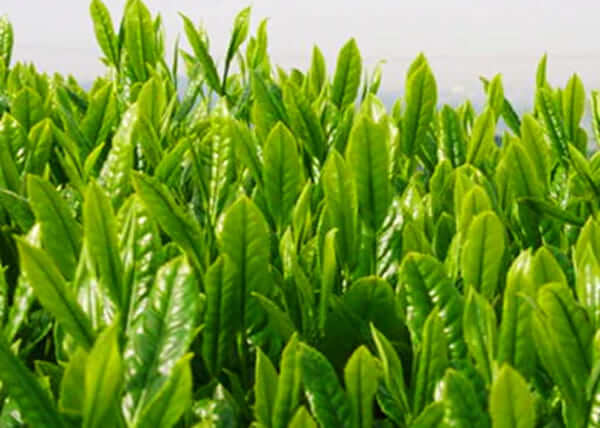
1.New budsDuring winter, the roots rest as nutrients are steadily drawn upward from them and stored in the tea leaves (new buds). These new buds become new tea leaves, brimming with a refreshing aroma and abundant juicy umami flavor.
-
二、蒸熱2.Steam heating
摘採された生葉の酸化酵素の働きを止め、独特の青臭さを除き緑茶特有の香味を発生させ、短時間にむらなく蒸して乾燥させます。普通煎茶で三十~五十秒、深蒸し煎茶で六十~九十秒の蒸し時間です。
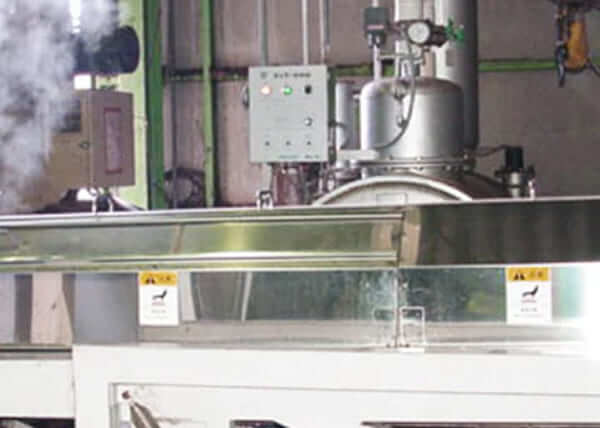
2.Steam heatingThe freshly picked leaves are steamed and dried quickly and evenly to deactivate the oxidation enzymes in the leaves, remove their characteristic grassy odor, and develop the unique aroma of green tea. Regular sencha is steamed for 30–50 seconds while deep steamed sencha is steamed for 60–90 seconds.
-
三、粗揉3.Primary rolling
茶葉内部の水分を低下させるため、一〇〇度前後の熱風を送りながら攪拌。適度に摩擦・圧迫を加えながら揉みます。茶葉の水分を均一にして乾かすための第一段階です。
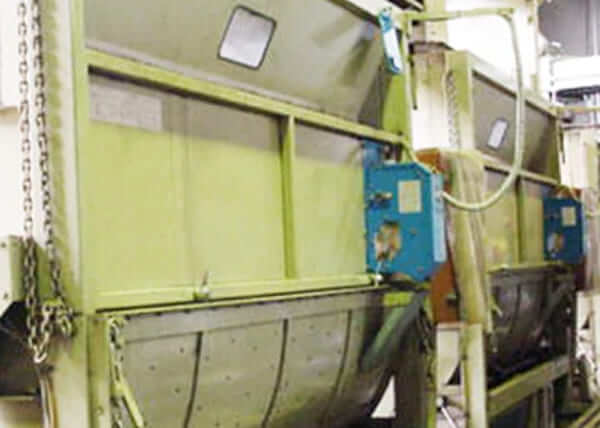
3.Primary rollingTo reduce moisture inside the tea leaves, the leaves are agitated while hot air is blown at approximately 100°C. The leaves are rolled while moderate friction and pressure are applied. This is the first step to evenly distribute moisture in the tea leaves and dry them.
-
四、揉捻4.Kneading
粗揉工程でのもみ不足を補います。茶葉をひと塊にして加熱せず圧力を加えて揉み、茶葉の水分を均一にするために乾燥させていきます。
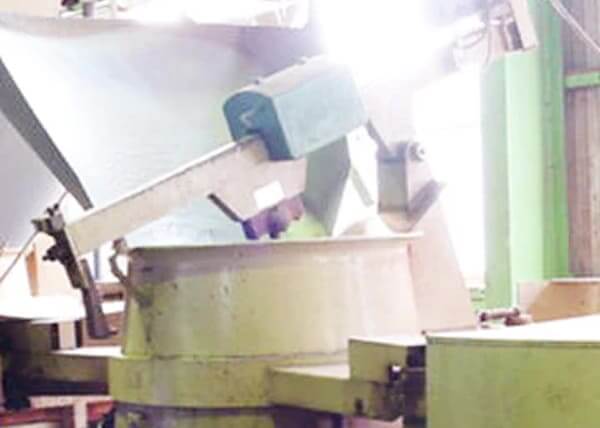
4.KneadingKneading compensates for insufficient agitation during the primary rolling process. The tea leaves are gathered into a mass, kneaded under pressure without heating, and then dried to ensure uniform moisture content throughout the leaves.
-
五、中揉5.Intermediate rolling
揉捻後の茶葉には水分含有量がまだ多いため、再び乾燥した熱風を送り攪拌しながら揉みます。茶葉を次の精揉工程で整形しやすいように乾燥させます。
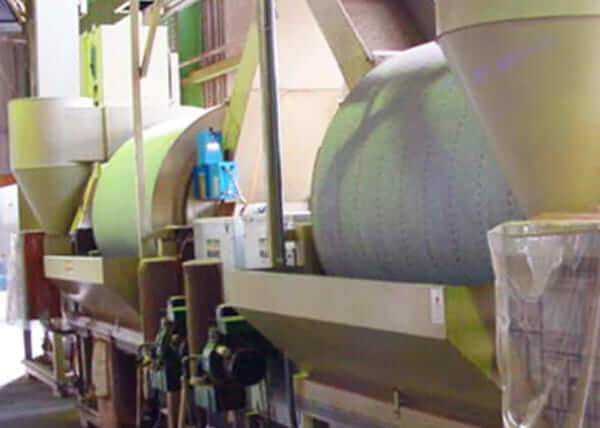
5.Intermediate rollingAfter kneading, the tea leaves still contain a high moisture content, so they are rolled again while being agitated with hot dry air. The tea leaves are dried to make them easier to shape in the next fine rolling process.
-
六、精揉6.Fine rolling
この工程は、茶葉に重圧を加えつつ揉盤上を前後に往復転動させて細く伸直に整形していきます。この工程によって煎茶特有の形状と香味が生成されます。
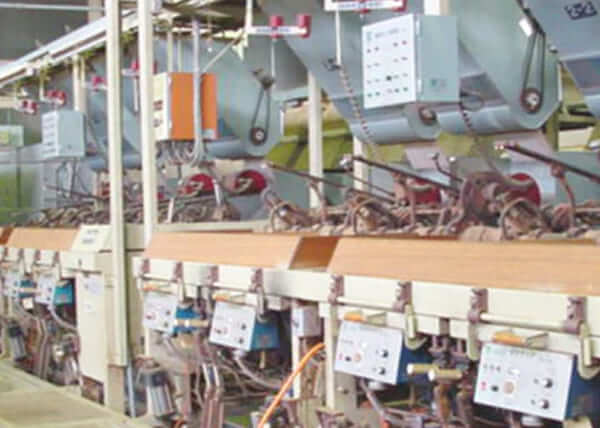
6.Fine rollingThis process shapes the tea leaves into a thin, straight form by applying high pressure while rolling them back and forth on the rolling tray. This process creates the unique shape and flavor characteristic of sencha.
-
七、乾燥7.Drying
精揉によって形状が整った茶葉は、さらに乾燥させて貯蔵に耐えられる含水率五~六パーセント前後になるまで乾燥させます。こうしてできたものを荒茶といいます。
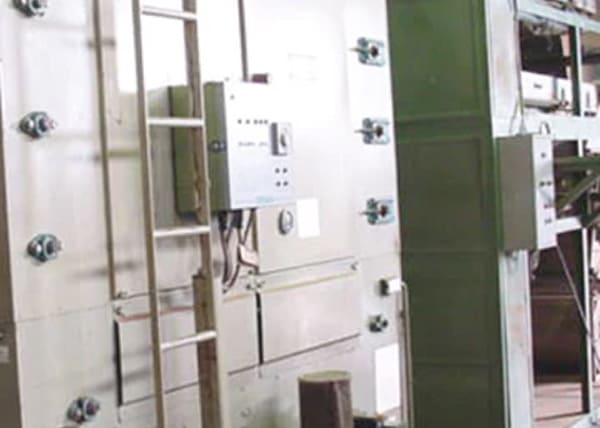
7.DryingTea leaves that have been shaped through the fine rolling process are dried further until they reach a moisture content of around 5–6%, making them suitable for storage. The result of this process is called “aracha,” rough tea.
-
八、荒茶・仕上げ8.Aracha and finishing
各茶産地の製茶工場で、生葉から右記のような数々の工程を経て乾燥工程の段階まで加工されたお茶を荒茶といいます。荒茶のままでは形が不揃いで、商品としては見栄えが悪いので、茎や粉、柳(大きい葉)を選別し、おいしいお茶に仕上げます。
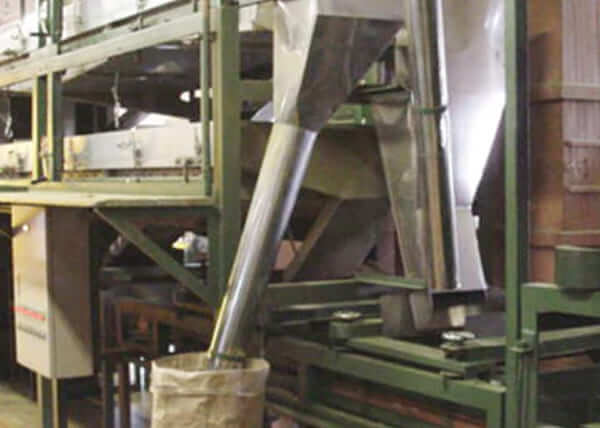
8.Aracha and finishingAt tea factories in tea-producing regions, tea processed from fresh leaves through the numerous steps described above up to the drying stage is called “aracha.” As aracha leaves are irregular in shape and unappealing as a product, stems, dust, and large leaves are sorted out to create delicious tea.
-
九、選別9.Sorting
静電気によって荒茶の中の茎茶を取り除く工程です。
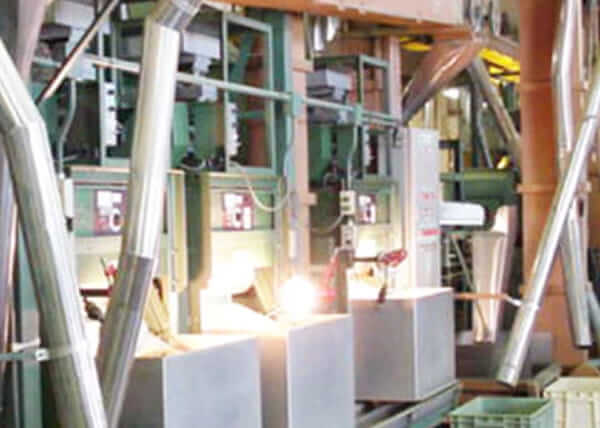
9.SortingThis process uses static electricity to remove kukicha from aracha.
-
十、火入れ10.Firing
荒茶のままでは水分も多く常温では長く保存できないため、長期間貯蔵に耐えられるように、また商品価値および香味を向上させるために火入れ作業(乾燥)を行い、含水率を約二~三パーセントまでにします。
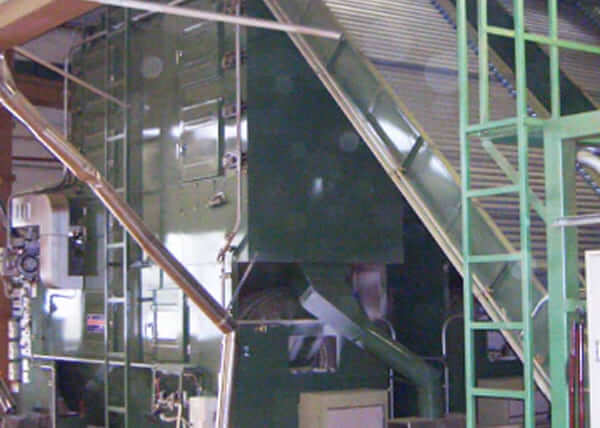
10.FiringBecause aracha contains high moisture content and cannot be stored long-term at room temperature, it undergoes firing (drying) to reduce moisture content to approximately 2–3%. This process enables long-term storage while enhancing the product’s value and flavor.
-
十一、合組・袋詰11.Gogumi (blending) and packaging
仕上・選別・火入作業によって仕上げられたさまざまな産地のお茶をこの合組機を使って合組(ブレンド)して合組機でブレンドされたお茶は製品として出荷されるために袋詰めされます。
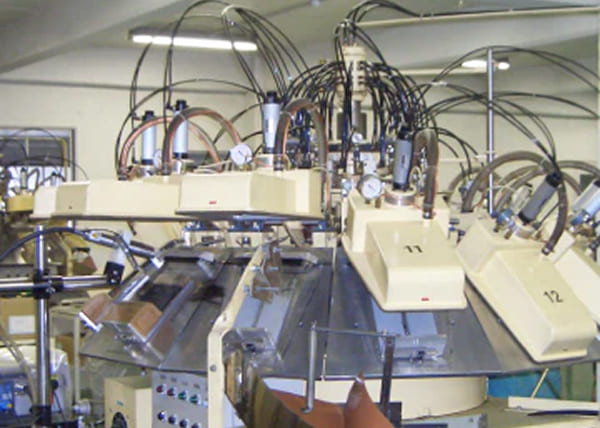
11.Gogumi (blending) and packagingTeas from various regions, after undergoing finishing, sorting, and firing, are blended using a blending machine to achieve a uniform flavor. Tea blended with a blending machine is packaged to be shipped as a product.
品揃えへのこだわり{Dedication to our product lineup}
高品質であることはもちろん、お客様の多様な好みに柔軟に対応するため、単一の産地や品種に限らず、さまざまな味わいのお茶を取り揃えることにもこだわっています。
「おいしいお茶を多くの人に味わっていただきたい」という創業時の想いは品揃えに受け継がれています。
We are committed to offering not only high-quality tea but also a diverse selection of flavors to flexibly accommodate our customers’ varied preferences, going beyond a single place of origin or variety.
Our founding aspiration to share delicious tea with as many people as possible is reflected in our product lineup.
お茶の楽しみ方{How to enjoy tea}
- 好みの味の見つけ方
- お茶はとても繊細です。淹れるお湯の温度や、時間によって、味がまったく変わります。
温度と浸出時間の対応チャートを参考に、いろいろ試して自分好みの味や気分に合った味などを見つけてみてください。
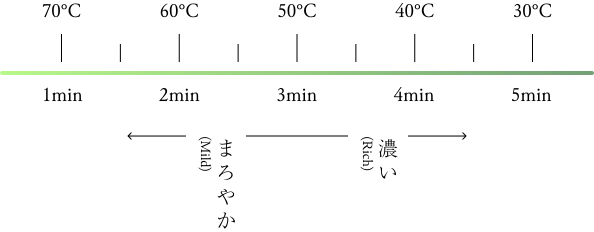
- How to find your preferred flavor
- Tea is very delicate. The taste changes completely depending on the temperature of the water you use and the steeping time. Experiment with different methods while referring to the temperature and steeping time chart, and find the flavor that suits your personal taste or mood.
三煎目までの楽しみ方How to enjoy tea up to the third infusion
-
- 一煎目
- 湯冷まししたお湯で時間をかけて淹れ、お茶の旨みを多く浸出させます。
- First infusion:
- Brew slowly with cooled water to draw out more of the tea’s rich flavor.
-
- 二煎目
- すでに開いた茶葉のため、少し湯冷まししたお湯で一煎目より短い時間で淹れます。
- Second infusion:
- Since the tea leaves are already opened, brew them with slightly cooled water for a shorter time than for the first infusion.
-
- 三煎目
- ボットから直接お湯を入れて、短い抽出時間でさっぱりとした味を楽しみます。
- Third infusion:
- Pour hot water directly from the pot for a refreshing taste with a short brewing time.
- お茶の保存方法
- 開封せずにしばらく飲まない場合は、開け閉めの頻度の低い冷凍庫などで保管すると茶葉の劣化が遅くなり、長持ちします。
一度開封したお茶は、光・酸素・湿気によって痛みやすくなるので、遮光性のある袋か缶に入れて冷蔵庫などで保管するのが一番おすすめです。 - 開封せずにしばらく飲まない場合は、開け閉めの頻度の低い冷凍庫などで保管すると茶葉の劣化が遅くなり、長持ちします。
一度開封したお茶は、光・酸素・湿気によって痛みやすくなるので、遮光性のある袋か缶に入れて冷蔵庫などで保管するのが一番おすすめです。
- How to store tea
- If you will not be drinking it for a while before opening, storing it in a freezer or similar place with infrequent opening and closing will slow the deterioration of the tea leaves and make them last longer. Tea that has been opened is easily damaged by light, oxygen, and humidity, so it is highly recommended that you put it in an opaque bag or can and store it in a refrigerator or similar location.