
山本山のこと
江戸時代から三〇〇年以上続く煎茶商
一六九〇年(元禄三年)、初代 山本嘉兵衛が江戸・日本橋に創業。
一七三八年に二代目 山本嘉兵衛が江戸で初めて青製煎茶(現在の煎茶の原型)を販売し、江戸随一の茶商として知られるようになりました。
一八三五年には六代目 山本嘉兵衛が「玉露」を発明。昭和期からは海苔の販売を開始。
伝統にとらわれず、お茶と海苔を通じた新しい価値を国内外に提供し続けています。
Yamamotoyama is a Japanese green tea merchant with a history
spanning over 300 years since the Edo period.
In 1690, the first-generation Kahei Yamamoto founded the business in 1738,
the second-generation Kahei Yamamoto began selling sencha processed
with the aosei method (the precursor of modern sencha) in Edo for the first time,
becoming known as Edo’s foremost tea merchant. In 1835,
the sixth-generation Kahei Yamamoto invented gyokuro tea.
Yamamotoyama began selling nori in the Showa period.
Unbound by tradition, we continue to offer new value through tea and nori
both domestically and internationally.
おいしいお茶をひとりでも多くの人に
「おいしいお茶を、こんなにおいしいのだから、多くの人に味わっていただきたい」。
これは、初代 山本嘉兵衛の想いです。
創業以来、私たち山本山はこの想いのもと日本橋で商売を営んできました。
Bringing delicious tea to as many people as possible
“This tea is so delicious that I want many people to experience it.
” This was the aspiration of the first-generation Kahei Yamamoto.
Since our founding, Yamamotoyama has conducted business
in Nihonbashi guided by this aspiration.
脈々と受け継いできた伝統と革新
伝統を続けるとは変わり続けること。
山本山は「不易流行」を重んじ、伝統を守りながら時代とともに新しい息吹を商品に吹き込んできました。
今も革新を次世代につないでいます。
Tradition and innovation passed down through generations
To continue tradition is to continue to change. Yamamotoyama values both continuity and change, preserving tradition while breathing new life into its products with the times. We continue to pass innovation on to the next generation.
山本山の歴史{History of Yamamotoyama}
山本山の歴史{History of Yamamotoyama}
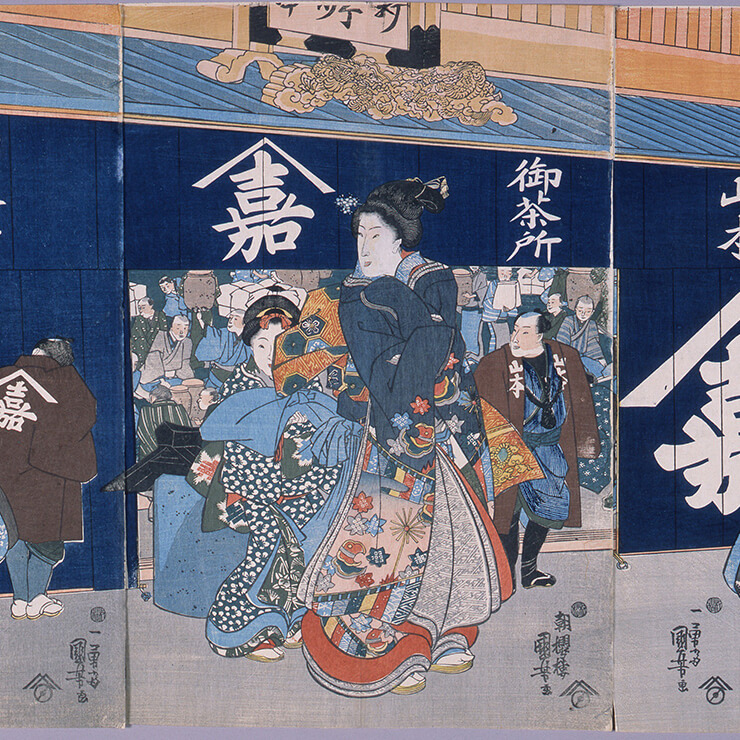
日本橋で創業―1690
一六九〇年(元禄三年)、初代 山本嘉兵衛がおよそ十五日ほどかけて京都から江戸に下り、日本橋の地で茶商として商いを始めました。創業時はお茶のほかに紙も売り、茶入袋も取り扱っていたといいます。創業時に抱いていたお茶への想いは代々受け継がれ、現在に至るまで数々の歴史を刻んでいます。
Founded in Nihonbashi (1690)
In 1690, the first-generation Kahei Yamamoto traveled from Kyoto to Edo over a period of about 15 days and began his business as a tea merchant in the Nihonbashi district. It is said that at the time of its founding, the store sold paper in addition to tea and also handled tea pouches. The passion for tea held at our founding has been passed down through generations, carving out a rich history that continues to this day.
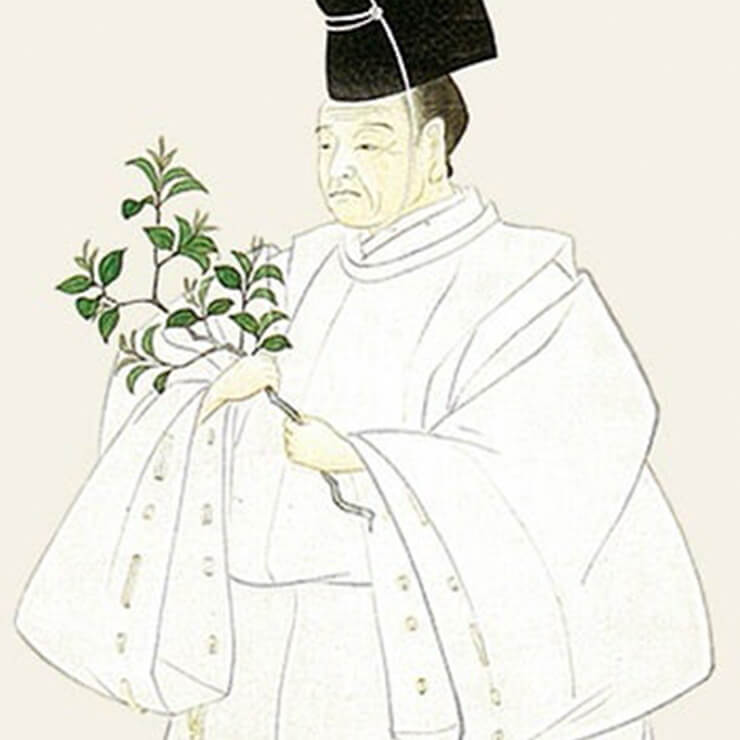
煎茶を日本で初めて販売―1738
一七三八年(元文三年)、宇治田原の茶師・永谷宗円(現在の永谷園の創業者の先祖)が、茶葉の新芽だけを摘み取り、蒸した後、数段階揉みながら乾燥させる「青製煎茶」(現在の煎茶の原型)の精製に成功。それまでのお茶は古い葉や固くなった芽なども混ざった茶葉を、蒸すか茹でるかしてから乾燥させて仕上げる製法が主流で、色は赤黒く風味もあまり良くなかったといわれています。新しい製法で茶葉は鮮やかな緑色となり、香り高く、旨みのある煎茶が誕生しました。永谷宗円はこれを広く売り出そうと江戸に下り、山本嘉兵衛商店(現在の山本山)を訪れました。その場ですべて買い取り、翌年の購入まで約束したといいます。二代目 山本嘉兵衛はそのお茶を逸品と認め、すべて買い取り、「天下一」と名付けて売り出すと、たちまち江戸中に広まりました。
First to sell sencha tea in Japan (1738)
In 1738, Tea Master Soen Nagatani of Ujitawara (an ancestor of the founder of present-day Nagatanien) succeeded in refining aosei-processed sencha (the precursor of modern sencha) by developing a method involving picking only new tea leaves, steaming them, and then drying them while rolling them in several stages. Until then, the mainstream method for making tea involved steaming or boiling tea leaves mixed with old leaves and hardened buds, then drying them to finish. It is said that the resulting tea had a reddish-black color and a less than desirable flavor. This new production method gave the tea leaves a vivid green color and produced fragrant, flavorful sencha. Soen Nagatani traveled to Edo to promote this product widely and visited Kahei Yamamoto Shoten (present-day Yamamotoyama). The second-generation Kahei Yamamoto recognized the tea as exceptional, purchased the entire lot on the spot, and reportedly promised to buy it again the following year. The Meiji-era Chagyo Tsukan (A Comprehensive History of the Tea Industry) records this anecdote. When it was sold under the name Tenkaichi, it spread throughout Edo in no time.
狭山茶の復興を支援―1816
武蔵国では川越茶などの銘柄の抹茶が中世の頃から知られていましたが、戦乱で茶園は荒廃し、やがてその銘柄は消え去りました。江戸時代後期になると、狭山丘陵山麓の篤志家たちによって煎茶の試作が始まりました。みずから宇治へ赴き、高度な製茶技術を習得。その探求には十年もの歳月が費やされたといいます。そして、一八一六年(文化十三年)、苦労の末に作り上げた茶葉を贈った先が、江戸の茶商、山本山でした。五代目山本嘉兵衛は、まだ地元の人にしか知られていないその茶葉の奥深く豊かな風味に魅了されました。「狭山にこれほどおいしいお茶があるとは思わなかった。宇治のお茶にも劣らない。私もこのお茶を諸国に広めていこう」と絶賛したといわれています。こうして狭山茶の名は広く知れ渡り、その後の発展の礎が築かれました。
Support for the revival of Sayama tea (1816)
Tea cultivation began in the Sayama hills around the medieval period, but the tea fields were devastated by war and eventually disappeared. By the late Edo period, tea farmers began experimenting with sencha production. They personally travelled to Uji to learn advanced tea-making techniques. It is said that this pursuit took as long as 10 years. And in 1816, the tea leaves painstakingly cultivated were presented to the Edo tea merchant Yamamotoyama.
The fifth-generation Kahei Yamamoto was captivated by the deep, rich flavor of the tea leaves, still known only to locals. It is said that he praised it highly, declaring, “I didn’t know there was tea this delicious in Sayama. It’s every bit as good as Uji tea. I too shall spread this tea throughout the land.” With this, the name of Sayama tea became widely known, laying the foundation for its subsequent development.
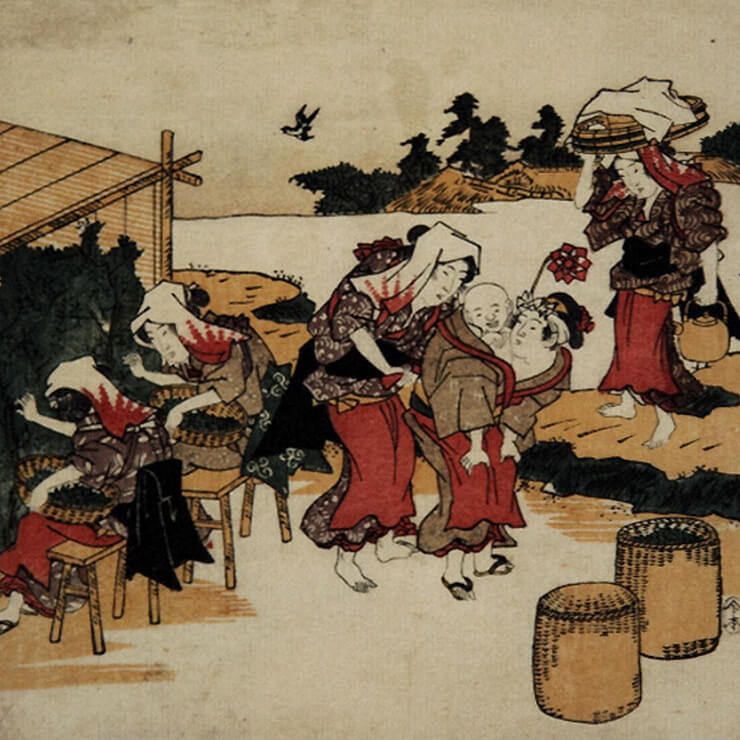
玉露を発明―1835
一八三五年(天保六年)、玉露を誕生させたのは山本山六代目 山本嘉兵衛です。甘露のごとく玉のような茶葉から「玉露」と命名。最初に淹れられた百八十年以上前から、玉露本来の香りと豊かな甘みを今に伝承しています。
玉露の発明について詳しく知る{Learn more about the invention of gyokuro}The invention of gyokuro tea (1835)
In 1835, the sixth-generation Kahei Yamamoto, head of Yamamotoyama, created gyokuro tea. He gave it the name “gyokuro,” meaning “jewel dew,” for its dewy sweet flavor and jewel-like leaves. Since its first brewing over 180 years ago, the authentic aroma and rich sweetness of gyokuro has been preserved to this day.
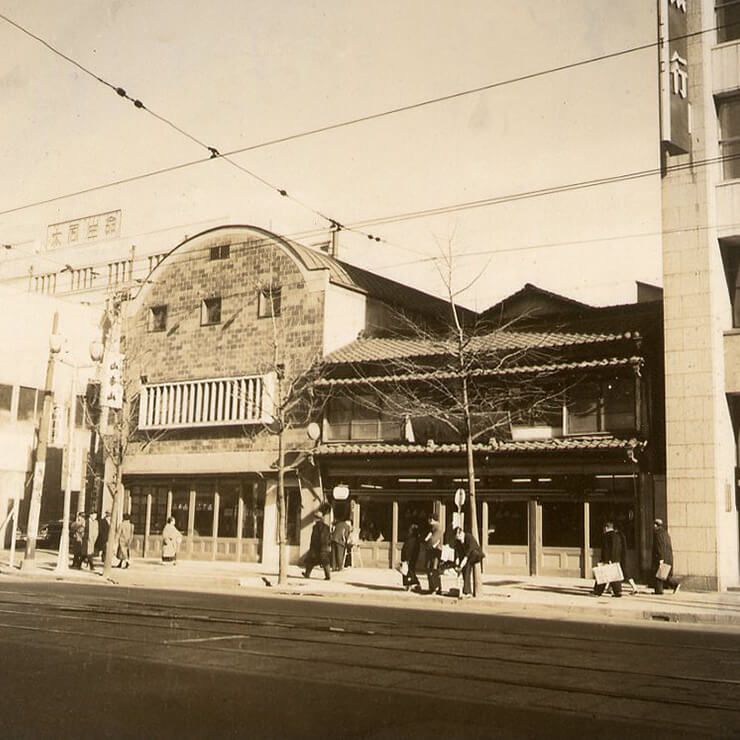
海苔の販売を開始―1947
一九四七年(昭和二十二年)、九州・有明海産の海苔のおいしさに感銘を受けた九代目 山本嘉兵衛が、共に湿気を嫌うお茶と海苔の保管方法に共通点が多かったことや、お茶と海苔の旬が異なるため一年を通じて商品を販売できることから、海苔の販売をスタート。山本山は創業時、茶業のほかに和紙をつくることも生業としていましたが、紙から海苔に変わっても、技術と精神を受け継ぎながら事業を拡大していきます。
Yamamotoyama begins selling nori (1947)
In 1947, the ninth-generation Kahei Yamamoto, impressed by the deliciousness of nori from Kyushu’s Ariake Sea, began selling nori. He recognized that nori and tea, both sensitive to humidity, shared many similarities in storage methods. Furthermore, since the peak seasons for tea and nori differ, he could sell products year-round. At its founding, Yamamotoyama engaged in both the tea business and washi paper manufacturing as its livelihood. Even after shifting from paper to nori, the company expanded its business while preserving its techniques and spirit.
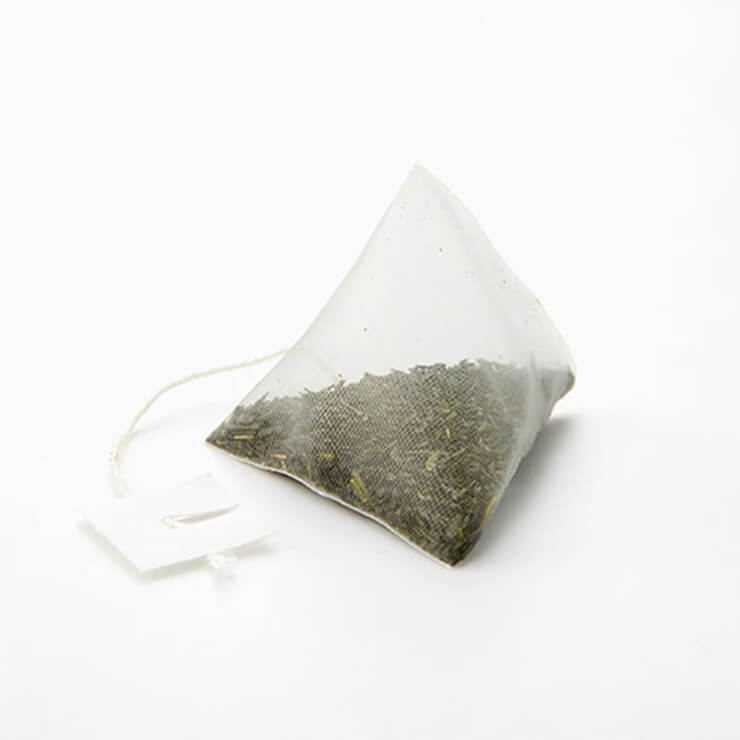
日本茶のティーバッグを日本で初めて販売―1963
日本茶のティーバッグが開発されたのは、紅茶のティーバッグ製造機が輸入された一九六一年(昭和三六年)。当初は、製造過程で発生する粉末状の紛茶を有効活用するために作られましたが、粉茶は旨みが少ないため一般家庭への普及には至りませんでした。また、ティーバッグは包装資材のコストが大きいため低価格で販売しにくく、緑茶は酸化しやすく劣化しやすいためティーバッグに適さないという側面もありました。そんな中、味や香り、形状や材質を改良し、一九六三年に山本山は国内で初めて味や香り、形状や材質を改良し、日本茶のティーバッグを発売。こうして、上質なお茶が急須を使わず手軽に楽しめるようになりました。
First in Japan to sell Japanese tea in tea bags (1963)
Japanese tea bags were developed in 1961, when tea bag manufacturing machines for black tea were imported. The tea bags were originally developed to effectively utilize powdered green tea generated during the manufacturing process, but powdered tea failed to gain widespread adoption in households due to its lack of umami flavor. Additionally, tea bags were difficult to sell at low prices due to the high cost of packaging materials, and green tea is prone to oxidation and deterioration, making it unsuitable for tea bags. Amidst this, Yamamotoyama improved the taste, aroma, shape, and material, and in 1963 became the first in Japan to sell tea bags for Japanese tea. Thanks to the tea bags, it is now possible to easily enjoy high-quality tea without using a teapot.